Choosing a Solo Pastime: A Book, a Walk or a Workshop
Choosing a solo pastime is easier when you match a book, walk or workshop to your mood, setting and appetite for company or quiet.
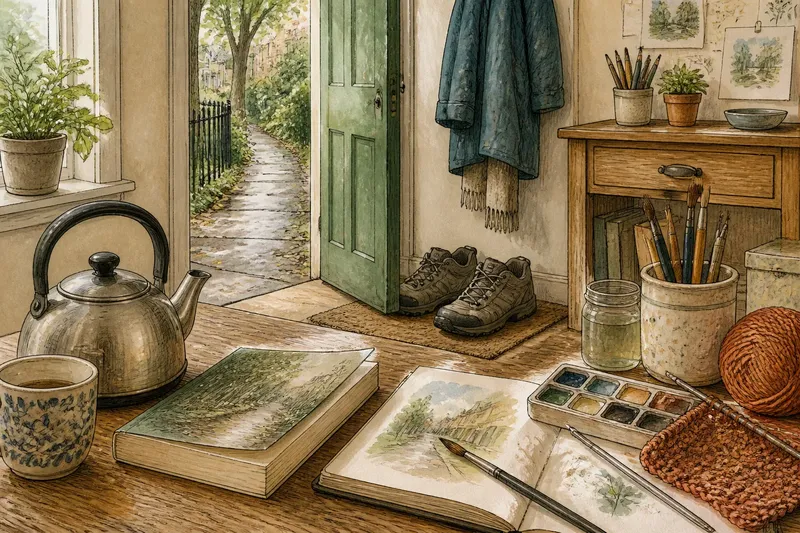
A paperback waits beside the kettle while your walking shoes sit by the door. Choosing a solo pastime—reading, walking or trying a workshop—often comes down to the kind of attention and company you want for the next part of the day.
These options offer different textures. A book gives you a world to enter, a walk brings the surroundings into focus, and a workshop turns attention towards a process or material. The useful question is not which pastime is best, but which one feels like your own choice today.
Choosing a solo pastime
It is easy to rank leisure by how it appears from the outside: reading as cultured, walking as virtuous, making as productive. Those labels leave little room for the ordinary pleasure of following a thought, noticing a street or learning how a material behaves.
Instead, consider what draws you in. A story may suit a quiet mood; a familiar route may appeal when you want to see something beyond the room; a workshop may interest you if you feel curious about a particular skill. None needs to justify its place in your day.
Imagine you have spent the afternoon at a desk and are waiting for a friend to arrive later. You want a change of scene but not a complicated outing, so you put on your coat and walk a familiar route through nearby streets. The likely result is a simple interval outdoors; if the weather turns or the walk feels unappealing, you can come home and open the paperback instead.
Different kinds of attention
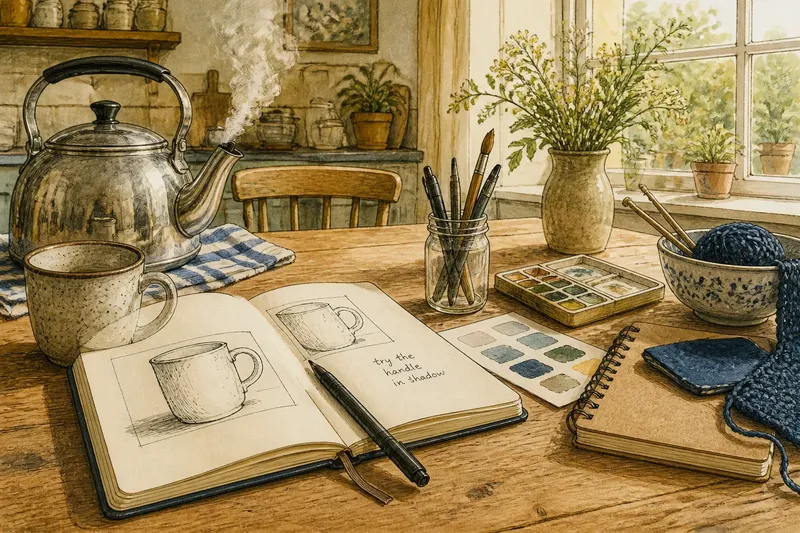
Reading asks you to stay with words, though a short story or familiar book may feel less demanding than a dense new novel. A walk lets attention move between footsteps, sounds and passing details. A workshop, whether it involves watercolours, knitting or a tutorial, asks you to follow a process and accept that some attempts will be uneven.
Notice whether you want to concentrate on one thing or let your attention wander. If thoughts keep drifting, a demanding project may feel like work; a gentle walk or an easy reread may fit better. If you are restless, a book that requires long stretches of focus may not be the most inviting choice.
You can also change the form without abandoning the pastime. Choose an essay rather than a long novel, follow a familiar path rather than plan a new route, or return to one stage of a craft instead of aiming for a finished piece. The point is to make the activity fit your present interest, not to turn it into a remedy or achievement.
Setting and preparation
The setting can make a reasonable choice feel awkward. A television in the next room may distract from a book; a busy road may make a walk unpleasant; a cramped table can leave workshop materials sliding about. Often, changing one feature of the setting is enough to make the option feel more welcoming.
For reading, look for comfortable light and a place where you can settle. For walking, choose surroundings that suit your mood, such as a familiar residential street, a park or a waterside path. For making, clear a suitable patch of table and bring out only the materials needed for the activity you have in mind.
Some preparation can be part of the pleasure: choosing colours or deciding which park entrance to use may help you settle into the activity. Elaborate storage, specialist equipment and a full collection of supplies are not worth the effort before you know what you enjoy returning to. Start with what is already available and add something only when a recurring inconvenience gives you a clear reason.
Time and interruptions
A pastime can feel wrong simply because its shape does not suit the time available. A book is easy to pause, a walk can be shortened if you choose a route with a clear turn-back point, and a workshop may be awkward if its materials need to be packed away just as you settle in.
Think about the kind of experience you want, as well as the time itself. If you have a short interval, a few pages or a familiar route may feel complete enough. If you have a longer stretch and want to work with your hands, a tutorial or craft project may offer room to settle in.
Say you have a paperback, a nearby park and a watercolour tutorial saved, but you are expecting a delivery and want to stay close to home. You choose the book, read until the doorbell rings, and mark your place with a receipt. The result is a pastime that accommodates the interruption; if you would rather keep your hands busy, you could instead put out paper and a pencil for a small sketch that can be left unfinished.
For a walk, choose a route that can be shortened if your plans change. For a workshop, keep a note of the instruction or stage you have reached. These small adjustments make interruptions easier to handle without turning leisure into a timetable.
Questions about choosing a pastime?
Is reading or walking better when I feel tired?
Choose reading if you want to stay still and have a book that feels easy to follow. Choose a familiar walk if sitting feels uncomfortable and you have the inclination to go outside; neither option needs to be treated as a cure for tiredness.
What solo hobby needs little preparation?
A book you already own or a familiar walk usually calls for little preparation beyond choosing where to begin. A workshop may also be simple if you have its materials to hand, but a new craft can involve more set-up than expected.
How can I choose a pastime for a short break?
Pick something with a natural pause, such as a few pages or a short route close to home. If a project involves several materials or linked stages, save it for a time when packing away will not feel like an interruption.
What if I lose interest in a hobby?
Consider whether the activity itself has stopped appealing or whether its setting, timing or preparation is getting in the way. You can change one of those conditions, try another pastime, or leave the hobby aside without treating the choice as a failure.
A modest choice
When the options still seem evenly matched, choose the one that asks for the least negotiation with yourself. Open the book, step outside or set out one workshop material, then notice whether the activity feels inviting. Starting does not oblige you to continue.
Choosing a solo pastime becomes easier when the decision reflects your mood, surroundings and appetite for a particular kind of attention. Keep a note of what you naturally return to—not as a scorecard, but as a quiet reminder of the sorts of time that feel like yours.